Understanding the Benefits of Sustainable Land Management Jun 22, 2026
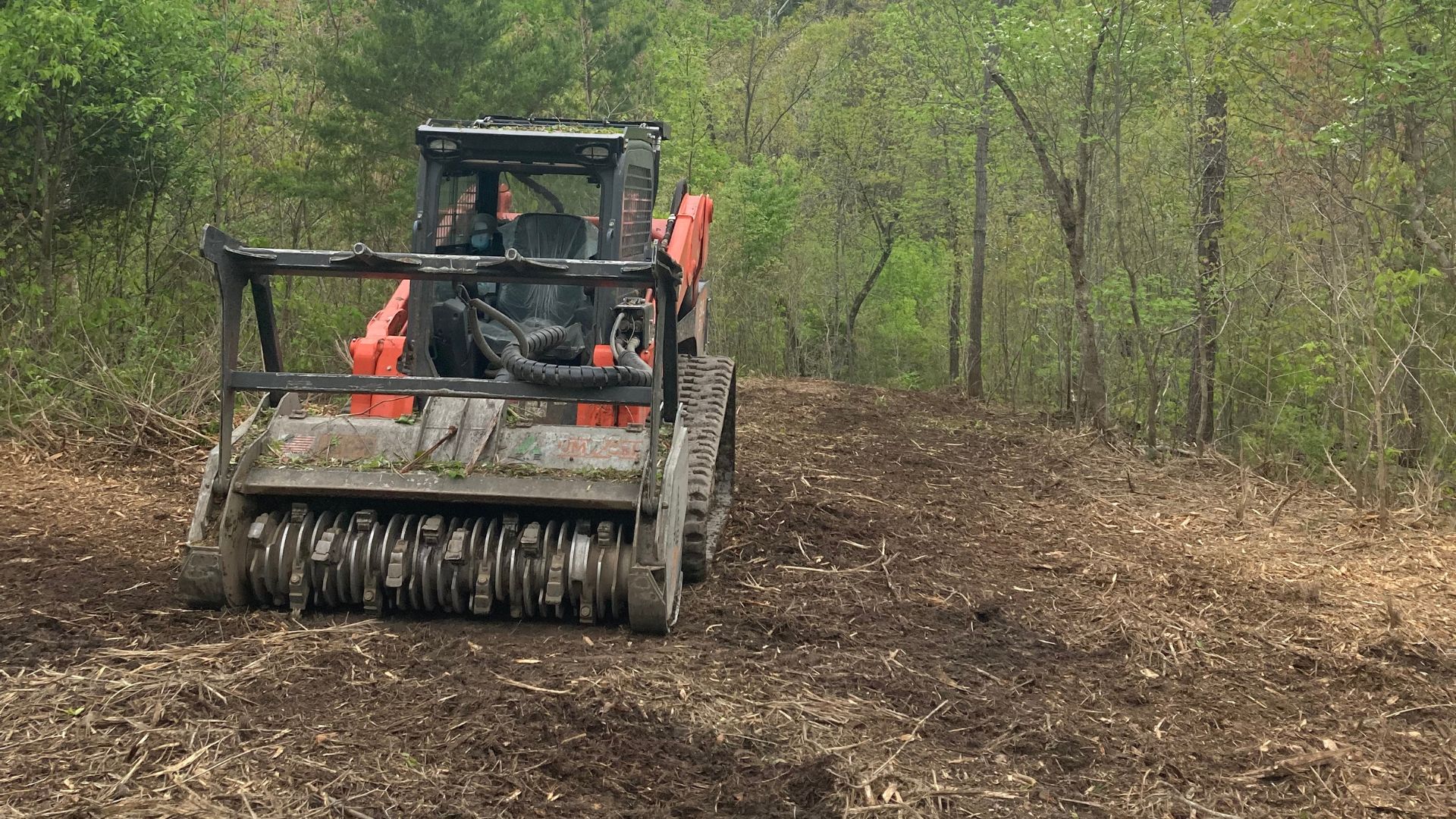
Firstly, sustainable land management enhances soil fertility and productivity. Traditional land clearing practices often strip the land of essential nutrients, leaving it barren and unproductive. By contrast, sustainable methods focus on preserving and even enhancing the natural nutrient cycle. Techniques such as mulching organic materials back into the soil not only reduce waste but also rebuild the soil’s fertility. This approach ensures that the land remains productive for future uses, supporting agriculture and forestry activities effectively.
Another critical benefit lies in protecting biodiversity. Unchecked land development can destroy habitats and threaten local wildlife. However, by adopting sustainable practices, we can create harmonious environments where nature and progress coexist. This can involve preserving specific areas as habitat corridors, ensuring that wildlife can safely migrate and access resources. By maintaining these natural networks, we contribute to species conservation and uphold ecological balance.
Water conservation is a key consideration as well. Sustainable land management techniques often incorporate strategies to reduce water runoff and enhance water retention in the soil. This not only helps preserve this vital resource but also minimizes erosion and sedimentation in nearby waterways. By managing water resources efficiently, we can mitigate the adverse effects of droughts and flooding, ensuring stable water supplies for communities and agriculture.
Additionally, sustainable land management reduces the carbon footprint associated with land clearing. Traditional methods, such as slash-and-burn, contribute significantly to carbon emissions and air pollution. In contrast, sustainable techniques emphasize the reduction, reuse, and recycling of materials, along with the use of machinery designed to minimize environmental impact. By implementing these practices, we can significantly lower greenhouse gas emissions, contributing to the fight against climate change.
Economic benefits are also a significant factor driving the shift to sustainable practices. Although there may be higher initial investment costs, the long-term savings from reduced resource consumption and enhanced productivity can be substantial. Sustainable land management also opens up opportunities for grant funding and incentives offered to projects that prioritize eco-friendly approaches. By aligning economic and environmental goals, businesses can achieve a competitive advantage and secure long-term sustainability.
Community engagement and empowerment are vital components of sustainable land management. Involving local communities in decision-making processes ensures that developments meet public interests and encourage responsible stewardship of natural resources. Community participation leads to increased awareness and knowledge of sustainable practices, fostering environmental responsibility and pride in ecological preservation.
In conclusion, sustainable land management is more than a trend; it is necessary for preserving our planet for future generations. By implementing these practices, Short Mountain Land Service aims to set a standard for responsible land usage that balances development needs with environmental health. Embracing sustainability in land clearing projects not only protects the environment but also benefits soil fertility, biodiversity, water conservation, and community well-being. Through smart, sustainable practices, we can ensure that our lands remain vibrant and productive for years to come.
/filters:no_upscale()/filters:format(webp)/media/e1f3fc49-d2fb-4d25-98dc-e064675f28ab.jpeg)