The Future of Land Clearing: Innovations and Best Practices for Modern Projects Jul 07, 2026
Today's land clearing projects are driven by advancements in technology that enhance precision and reduce environmental impact. One significant innovation is the utilization of LiDAR (Light Detection and Ranging) technology. This remote sensing method uses laser pulses to gather accurate, high-resolution data about the landscape. By implementing LiDAR, Short Mountain Land Service can precisely map out areas that require clearing, ensuring minimal disturbance to surrounding ecosystems. This precise mapping allows for targeted clearing tasks, maximizing efficiency while preserving native habitats.
Another promising development in land clearing is the use of advanced machinery equipped with GPS technology. These machines are programmed to follow detailed plans, cutting and clearing in accordance with precise coordinates. This level of accuracy reduces the risk of human error, lowers operational costs, and ensures that only necessary areas are cleared. The integration of GPS not only enhances operational efficiency but also assists in maintaining project timelines, a key factor in the successful execution of any land clearing venture.
Environmental sustainability has become a cornerstone of modern land clearing practices. Short Mountain Land Service is committed to adopting strategies that promote soil health and biodiversity. For instance, selective clearing is a technique we employ to remove invasive species while preserving native vegetation. By managing landscapes in this manner, we not only clear the land but also contribute to the long-term ecological balance of the area. This holistic approach ensures that our projects benefit both our clients and the environment.
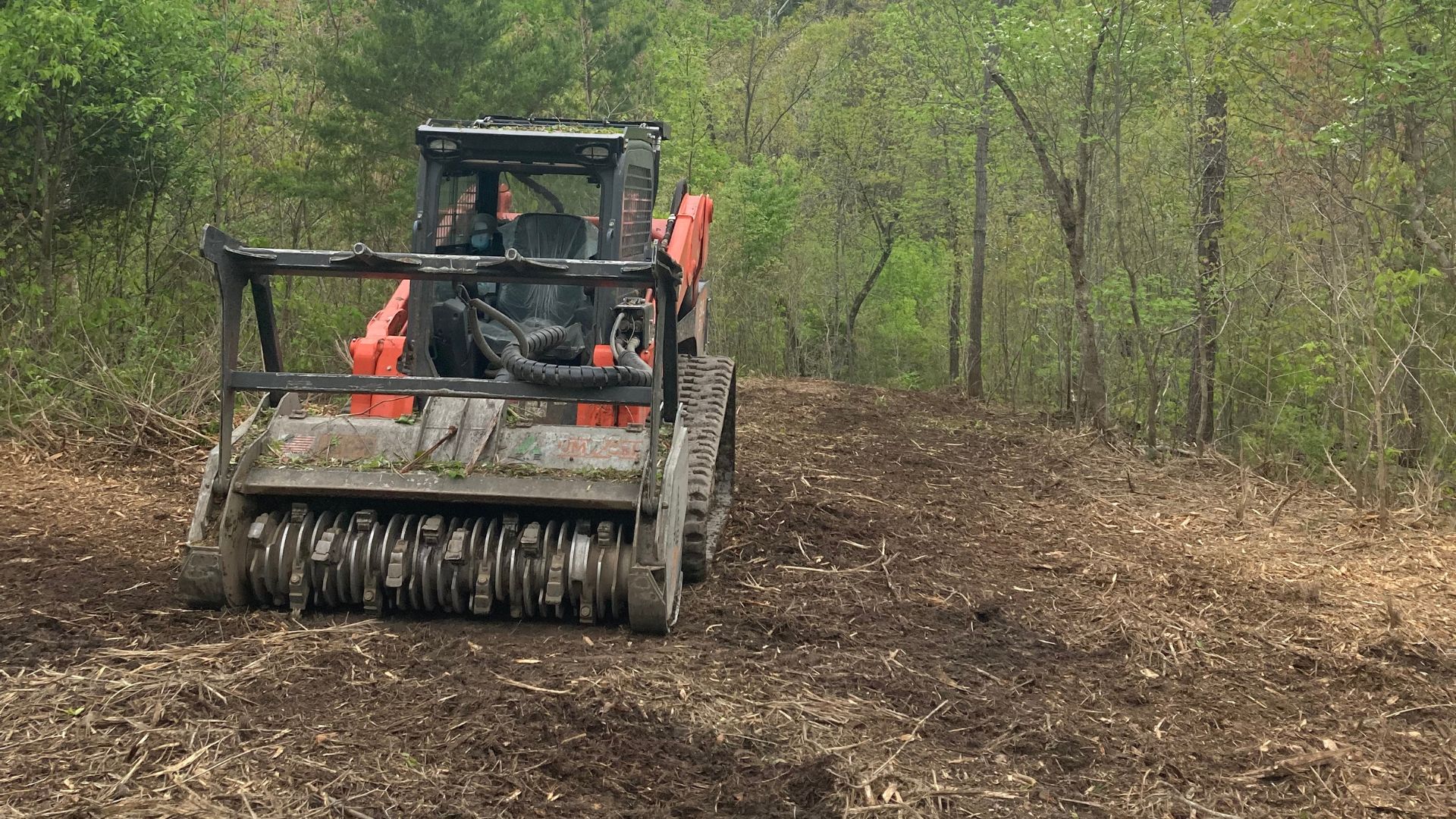
Furthermore, the industry's shift toward eco-friendly practices includes the implementation of biomass recycling. This process involves converting the waste from clearing projects into mulch or wood chips, which can then be reused on site or as sustainable biofuel. Recycling biomass not only minimizes waste but also turns potential environmental challenges into valuable resources. At Short Mountain Land Service, we are at the forefront of incorporating such practices into our projects, aligning with our commitment to sustainability and innovation.
As land clearing technologies continue to evolve, so too does the opportunity for training and continuous professional development for our team. At Short Mountain Land Service, we understand that skilled operators are essential in leveraging new technologies effectively. Ongoing training programs ensure that our workforce is equipped with the latest knowledge and skills to implement cutting-edge techniques safely and efficiently. By investing in our people, we ensure that our clients receive the highest standards of service.
In conclusion, the future of land clearing is bright with possibilities, thanks to innovations and best practices that prioritize efficiency and environmental responsibility. At Short Mountain Land Service, we are committed to leading the way in modern land clearing techniques, providing solutions that are as effective as they are sustainable. By embracing new technologies and eco-friendly practices, we help pave the way for responsible land management that benefits both our clients and the environment. As we look forward to future developments, our goal remains clear: to deliver superior land clearing services that stand the test of time.
/filters:no_upscale()/filters:format(webp)/media/e1f3fc49-d2fb-4d25-98dc-e064675f28ab.jpeg)